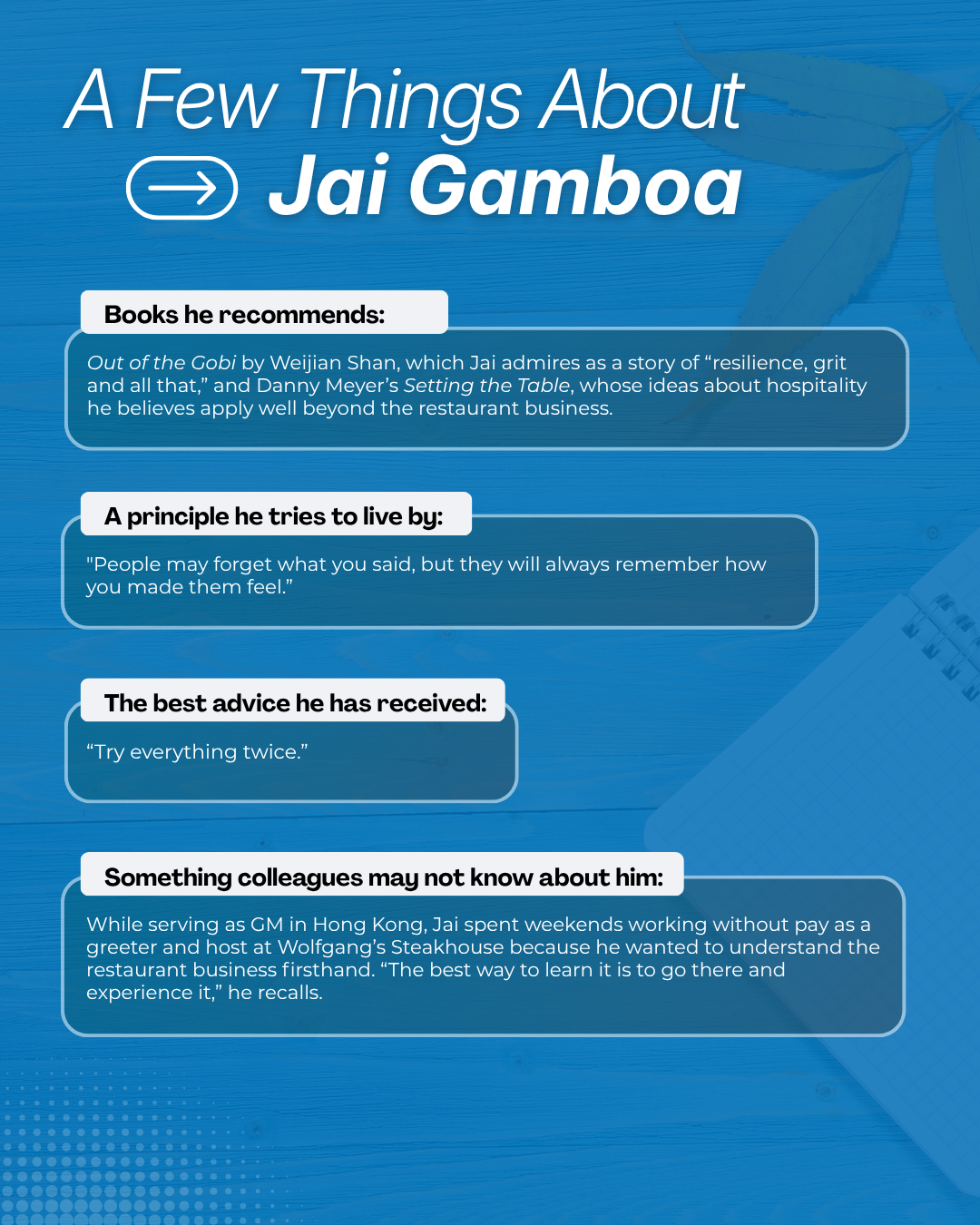
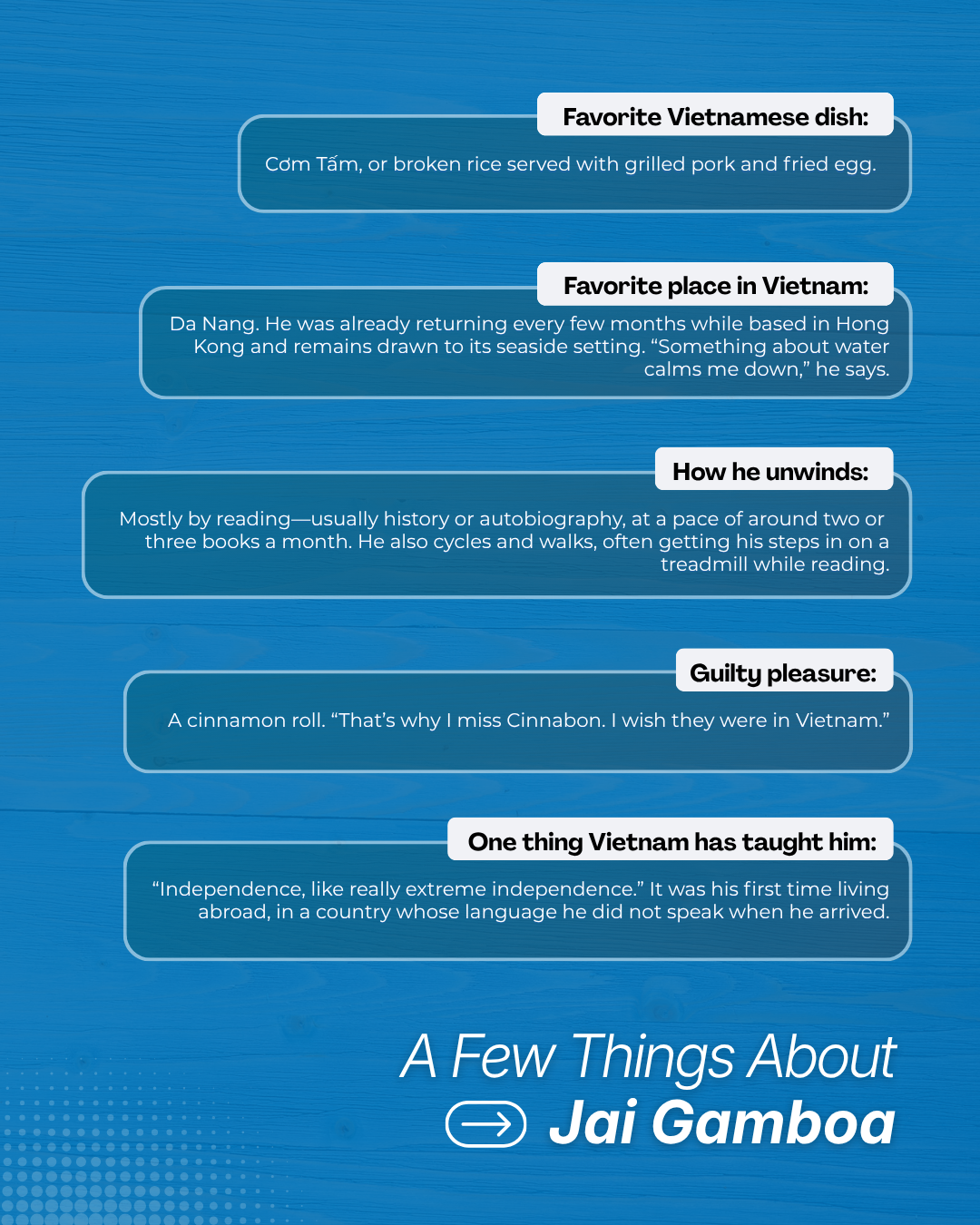
“The initial plan was just two years,” Jean Pierre “Jai” Gamboa recalls with a laugh. “After two years, every year was supposed to be the last year. And now, we're in our 18th year!”
Speaking from his office in Vietnam over a Microsoft Teams call with the JG Summit Corporate Communications team in the Philippines, Jai seems almost amused by how far that original plan had changed.
The overseas posting he accepted in 2008 would eventually take him from marketing into general management, through assignments in China and Hong Kong and one of the most challenging periods in URC Vietnam’s history. Along the way, his view of leadership changed as well, shaped by the people he worked with, the markets he had to understand, and some of the toughest decisions of his career.
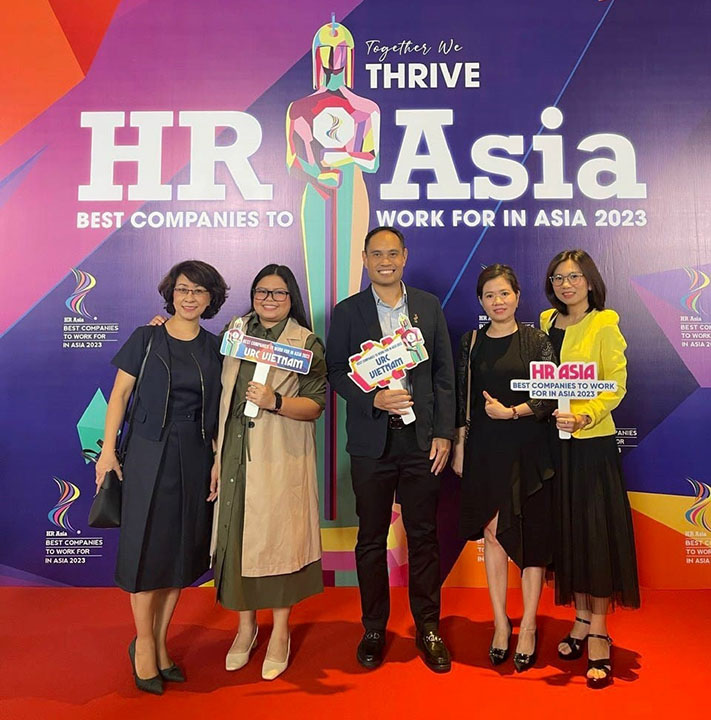
A Two-Year Assignment That Became a Second Home
A graduate of the University of St. La Salle in Bacolod with a degree in Commerce, major in Business Management, Jai began his career in sales before moving into trade marketing and brand management. In 2007, he joined Universal Robina Corporation as a senior brand manager overseeing bottled water and other beverages.
Barely a year later, a former boss, by then the marketing director of URC Vietnam, called with an unexpected proposition: Would he consider moving to Vietnam? Jai said yes, with little idea that the overseas assignment would come to define much of his career.
The Vietnam he encountered in 2008 was very different from the country he knows today. English was far less widely spoken, and Ho Chi Minh City had fewer of the international brands and modern conveniences now taken for granted. Yet Jai, who grew up in Bacolod and self-deprecatingly describes himself to us as a “probinsyano,” found the environment less unfamiliar than he might have expected.
“I think one of the reasons why I survived very long here is because I grew up in the province,” he says, recalling how quickly he became comfortable with the city’s slower pace.
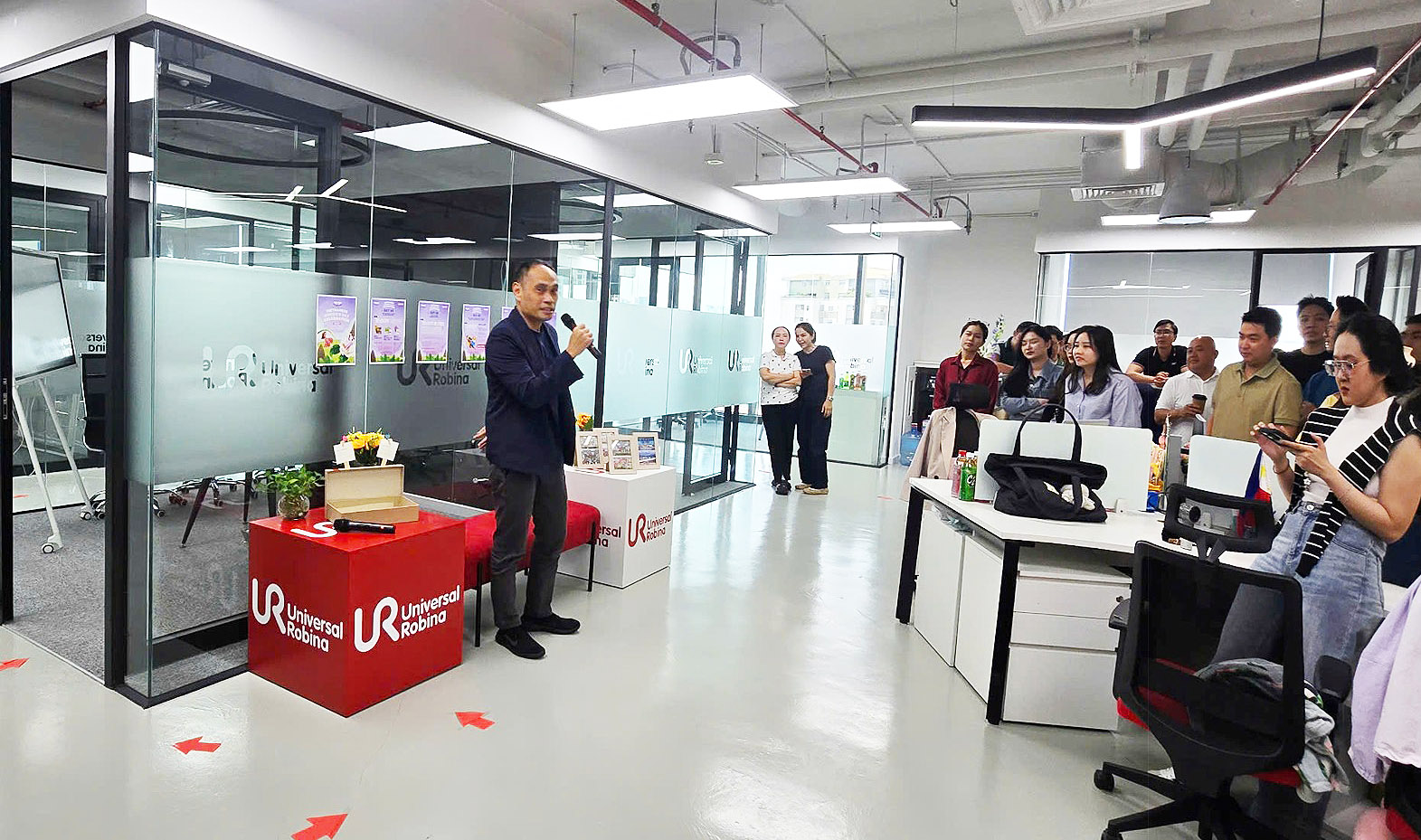
Communicating, on the other hand, was a bigger challenge. To get by, Jai enrolled in six months of Vietnamese lessons as his marketing role took him beyond Vietnam’s largest city to different regions and rural communities around the country. He never became fluent, although Jai jokes that he learned enough Vietnamese “not to get sold in the streets.” Studying the language also gave him something more valuable than conversational proficiency: a better sense of how people thought, expressed themselves, and interpreted the world around them.
Travel brought a further degree of understanding. The north and south, he discovered, could differ in outlook, climate, and even everyday consumption habits, much as preferences and attitudes vary among regions in the Philippines. He points to coffee and tea as simple examples: in the hotter south, both are commonly served over ice, while in the cooler north, many people prefer their drinks plain or warm. Those details gave him a fuller picture of Vietnam, one shaped as much by regional habits and daily routines as by anything he could learn from raw market data.
Building Brands by Learning from the Market
Looking back at URC Vietnam’s development, Jai points to two early decisions that proved particularly important. The first was timing: URC entered Vietnam in 2004, as Vietnam’s economy was opening up and consumer markets were expanding quickly. The second was the decision to make a major push behind beverages, particularly C2, which eventually became the flagship of the Vietnam operation.
Another brand story, however, offers an even better illustration of how URC learned to create products for Vietnamese consumers, and how an unsuccessful idea can sometimes lead to something more promising.
Soon after arriving in Vietnam, Jai helped develop Tealicious, a tea drink packed in the cup format available on one of URC Vietnam’s production lines. With C2 already gaining traction in bottles, putting tea into another format seemed logical enough.
Instead, Jai recalls, “It failed spectacularly,” clearly amused by the memory.
The team was left with a packaging line that still needed a viable product, so the late Patrick Ng, then managing director of URC International, sent Jai to Indonesia, where cup-format beverages were particularly popular, and told him to study the market and return with another idea. There, Jai noticed energy drinks being sold in cups, studied why they worked, and came back to Vietnam with the concept that would eventually become Rong Do Energy Drink.
An idea encountered elsewhere became Rong Do, a brand that felt unmistakably Vietnamese. As Jai puts it, the energy drink's success came from “local insight from the local team.”
The product concept came from Indonesia, but the name itself was far more spontaneous. The night before Jai was going to present the concept, he still had no name for it. Chancing upon a movie on TV, he had a lightbulb moment and called a marketing colleague to ask how “Red Dragon” would be said in Vietnamese. The answer—“Rong Do”—immediately clicked, especially once his colleague pointed out the strength and power associated with both the dragon and the color red.
“Some people always thought that I did some kind of sophisticated research about it,” Jai says, cracking a big smile at the memory. “No, I saw it on HBO at 10 p.m.”
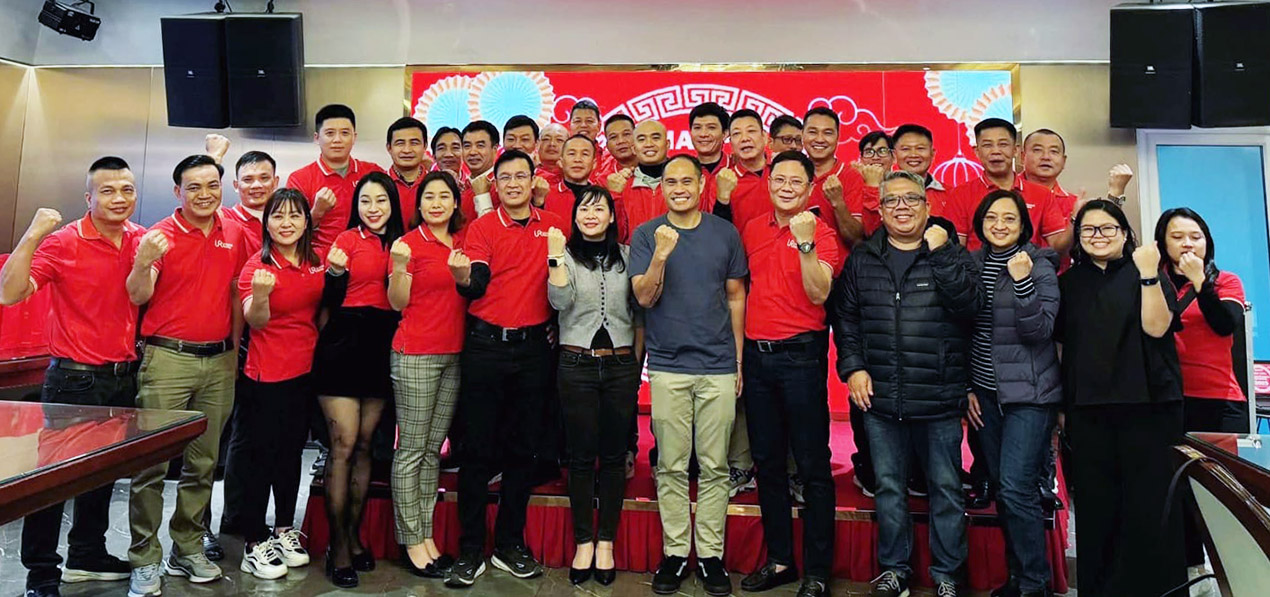 At a year-end party with the URC North Vietnam Sales Team.
The inspiration may have been accidental, but turning it into a viable brand required colleagues who knew what would resonate with Vietnamese consumers. Rong Do grew from an idea Jai encountered abroad, adapted to an existing production need, and molded into a brand that felt unmistakably Vietnamese. As Jai proudly puts it, the brand’s success is due to “local insight from the local team.”
The Business the Team Had to Build Twice
By 2016, URC Vietnam had spent more than a decade building its presence in the country. That year, it faced regulatory inquiries from national authorities involving C2 Green Tea and Rong Do, placing two of the company’s biggest brands under intense scrutiny and creating one of the most difficult periods the organization had experienced.
As head of the Vietnam operation, Jai was directly involved in the response, working with regulators and representing URC as the company addressed the inquiries surrounding its products.
Reflecting on that period, however, Jai places greater emphasis on the rebuilding effort and the people who made it possible. Many of the same people who had helped URC Vietnam grow into a major business were there when it suffered a setback, and they were the ones who helped build it back up.
“I think that is one of the most amazing things this team has done. I’m just one small part of that. The credit belongs to every single person here.”
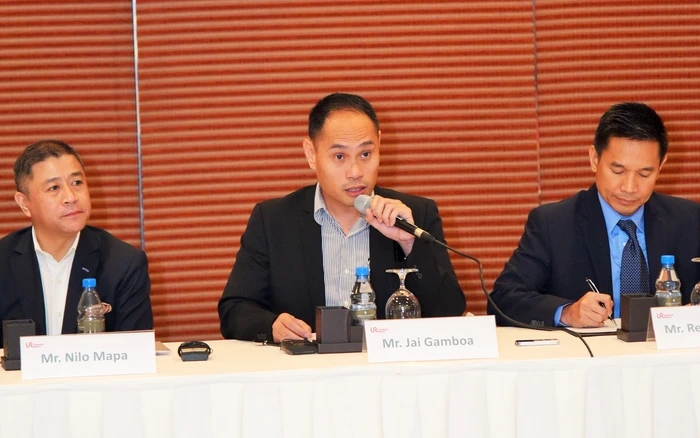
One positive outcome of the experience was that URC Vietnam emerged with stronger systems supporting its products and operations, while also deepening its engagement with local communities. The company tightened practices in areas such as product testing, warehousing, humidity control, and housekeeping, while improving coordination with regulators. At the same time, it placed greater emphasis on listening to the communities where it operates, making those relationships a more deliberate part of the business.
Jai believes strong brands can endure even the most difficult periods when they have earned genuine consumer trust. “If you build a brand strong enough and you build a foundation strong enough, a brand can go through something like that and survive...”
As the company recovered, Jai saw another lesson from his marketing years play out on a much larger scale: brands that have earned a strong relationship with consumers can withstand extraordinary pressure.
“If you build a brand strong enough and you build a foundation strong enough, a brand can go through something like that and survive, and then go back to where it was before,” he says.
The most lasting lesson, however, came from the people affected by the decisions that followed. As URC Vietnam dealt with the situation, Jai had to engage personally with each of them. Those conversations changed the way he thought about senior leadership and the effect management decisions could have on people’s lives.
“This position is almost like a public trust,” he says. To him, that means never losing sight of the people who may be affected by the decisions he makes.
Learning to Think Like an Owner
At the end of 2017, Jai left Vietnam for another assignment. When he assumed responsibility for URC’s China and Hong Kong operations in 2018, he entered a much leaner organization facing tough economics and an uncertain future.
In Vietnam, Jai had been accustomed to working with a full team of functional leaders; in China and Hong Kong, the structure drew him into areas he had never previously needed to examine in such detail. He visited factories and met farmers, went through expenses down to electricity bills and third-party services, and found himself dealing with sales, marketing, manufacturing, HR, IT, and whatever else the situation demanded.
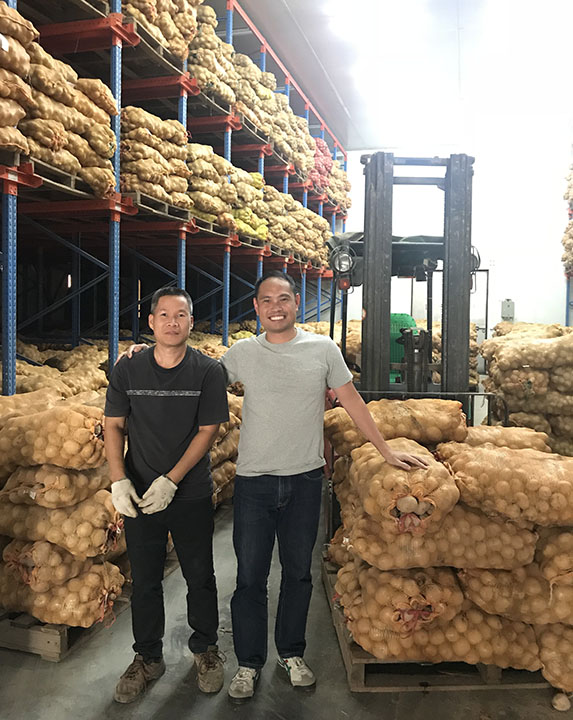
He even changed the way he dressed, replacing his usual long sleeves with T-shirts and jeans as he tried to shift his mindset from that of a corporate manager to someone looking at the operation as if it were his own. The question he kept returning to was simple: If this were my own business, what would I do?
“It was a training in entrepreneurship,” he says.
The operation eventually improved its bottom line during his tenure, but the larger lesson was how to think more like an owner: scrutinize costs, confront problems directly, and take responsibility for decisions. It was an experience he would eventually carry back to Vietnam.
Returning to a Changed Vietnam
In 2022, after four years away, Jai returned to Vietnam at the request of URC President and CEO Irwin Lee.
By then, his role had changed considerably from that of the marketer who first arrived in 2008. Jai was now responsible for the overall Vietnam business, working through a management team to deliver growth while guiding the company through a changing consumer and competitive landscape.
The market itself had changed just as dramatically. “They caught up,” Jai says of younger Vietnamese consumers, in comparison to their counterparts across Asia. “They like the same brands. They like the same shows.” Social media, he adds, has accelerated the shift, making it much harder to take an idea from another country and assume it will automatically feel new or relevant to the local market. “You have to be inventive, you have to be innovative,” he says.
This position is almost like a public trust, says Jai. To him, that means never losing sight of the people who may be affected by the decisions he makes.
This required an adjustment on Jai’s part as well. Having spent much of his career in marketing, he once would have been deeply involved in generating ideas himself, but he readily acknowledges that younger members of his team are now often better placed to read the pulse of consumers URC needs to reach.
“I listen more and more to our younger marketing people,” he says, because their ideas are likely to be more relevant to the generations now shaping the market.
That willingness to step back where others have stronger expertise now extends beyond marketing. Jai describes his leadership style as adaptive, beginning with an effort to identify where a person or team is already strong and then giving them the freedom to operate there rather than interfering unnecessarily; where gaps exist, he stays close enough to provide whatever experience, perspective, or support might be useful.
“Where they’re strong, I give them room to do what they do best,” he says. “The rest of the time, I stay on the side and cheer for everybody.”
When Experience Becomes an Advantage
His approach is supported by an unusually experienced organization. Jai estimates that more than half of URC Vietnam’s employees have been with the company since its early years.
“They look at this place as more than just a place that gives them a salary,” Jai says. Many had entered URC in their 20s, and as the company grew, their careers and families grew with it, creating a connection he believes extends well beyond annual targets or KPIs. “They have really a strong sense of ownership and belongingness in URC Vietnam.”
That depth of experience proved especially valuable in 2025, when tax reforms disrupted the small wholesalers and other customers that form an important part of Vietnam’s fast-moving consumer goods market. The changes came quickly, but employees who already knew the customers, distribution networks, and realities on the ground were able to respond just as quickly. URC Vietnam was not immune to the disruption, but it weathered the downturn better than much of the industry.

Over time, the stability of the team has also helped embed the core values of JG Summit Holdings, URC’s parent conglomerate—Entrepreneurial Mindset, Integrity, and Stewardship—in the way the Vietnam organization works. Jai believes those values are reinforced through the behavior of people who have worked together for years, with long-serving leaders demonstrating them through the way they work and make decisions, and newer colleagues learning from the examples around them.
“More than just being plastered on walls or on PowerPoint slides, people here really live those values every day,” he says.
Building the Next Chapter Locally
URC Vietnam is now looking to its next phase of growth. Having restored C2 to roughly the scale it had reached before 2016, even in the face of stronger competition, the company is turning more attention to biscuits and snacks, categories where URC already has considerable experience elsewhere in Southeast Asia.
Jai says the company is also studying the possible reopening of its Central Vietnam facility over the next two to three years.
URC Vietnam’s long-serving employees have helped turn core corporate values into everyday behavior. “More than just being plastered on walls or on PowerPoint slides, people here really live those values every day.”
Even when ideas and products move between URC markets, however, he believes success depends on resisting the temptation to simply transplant something that worked elsewhere.
“One of the things about URC outside the Philippines is we're very local,” Jai says. “We don't just bring in Filipino products and try to sell them here. We actually develop products for the local taste.”
What Remains After the Numbers
When we ask Jai what he expects to value most when he eventually looks back on his years in Vietnam, he does not mention C2, market share, revenue, or any of the businesses he has helped steer through uncertain periods.
“The people and the relationships,” he says. “You'll probably forget about the numbers and all of that.”
Having moved from Bacolod to Manila, from Manila to Vietnam, and for a time from Vietnam to Hong Kong and China, Jai observes that addresses and phone numbers eventually fade from memory, while the people who made an impact tend to remain.
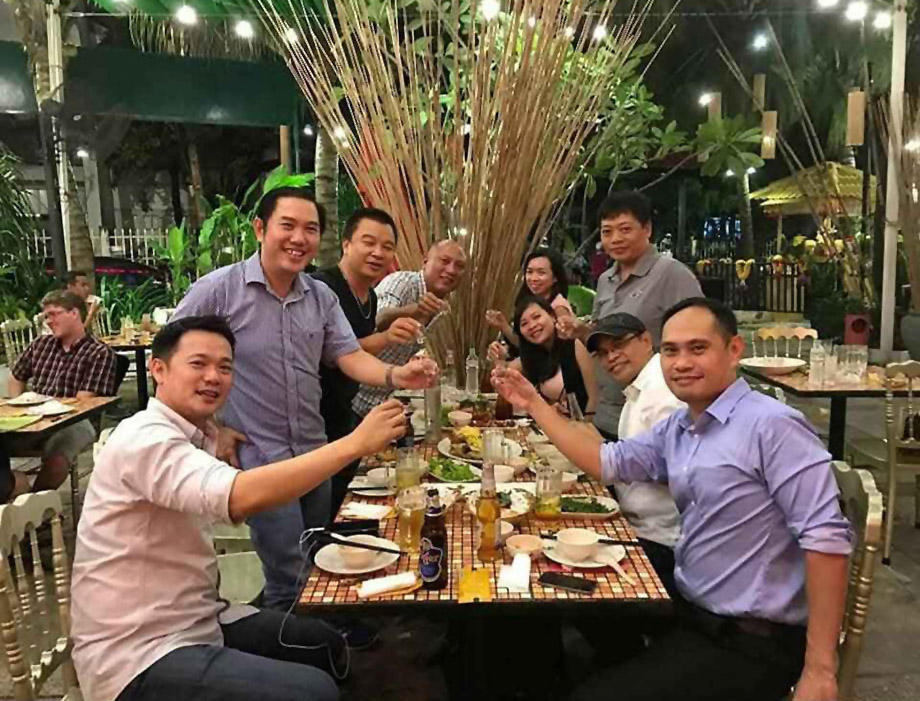 Jai after hours with colleagues in Vietnam, whose friendships and shared experiences he says are what he will remember most from his years there—even after addresses, phone numbers, and business figures have faded from memory. IMAGE courtesy of Jai Gamboa
That answer seems particularly apt for a career shaped by an overseas assignment that was supposed to last two years, the “spectacular” failure of an early product idea, an energy-drink name discovered late at night on HBO, a crisis that changed the way he viewed leadership, and an assignment abroad that taught him to think more like an owner. Through all of it, the relationships around him gradually became as important as any position he held or any result he delivered.
As Jai approaches two decades with URC, what has kept him there is ultimately more meaningful than any career plan he might have drawn up when he first arrived.
“I found a place where I feel a strong sense of belongingness, that I am part of something that's a lot bigger than just myself,” he says. “And I think I found it in URC.”