As Cebu Pacific celebrates its 30th anniversary, it is extending its role beyond air travel with the launch of Cebu Pacific Foundation, Inc. (CPFI), its social impact arm dedicated to community resilience and sustainable tourism.
CPFI will work with communities and partners on nature-based initiatives that reduce disaster and climate risks, protect ecosystems, strengthen livelihoods, and support sustainable local economies.
“For three decades, Cebu Pacific has connected people, places, and opportunities. Through our Foundation, we hope to build on that role by connecting people on the ground with the institutions, expertise, and resources they need to protect the natural environments that sustain them and create better opportunities for their families,” said Xander Lao, CPFI Chairman and President.
Restoring the Capiz Coast
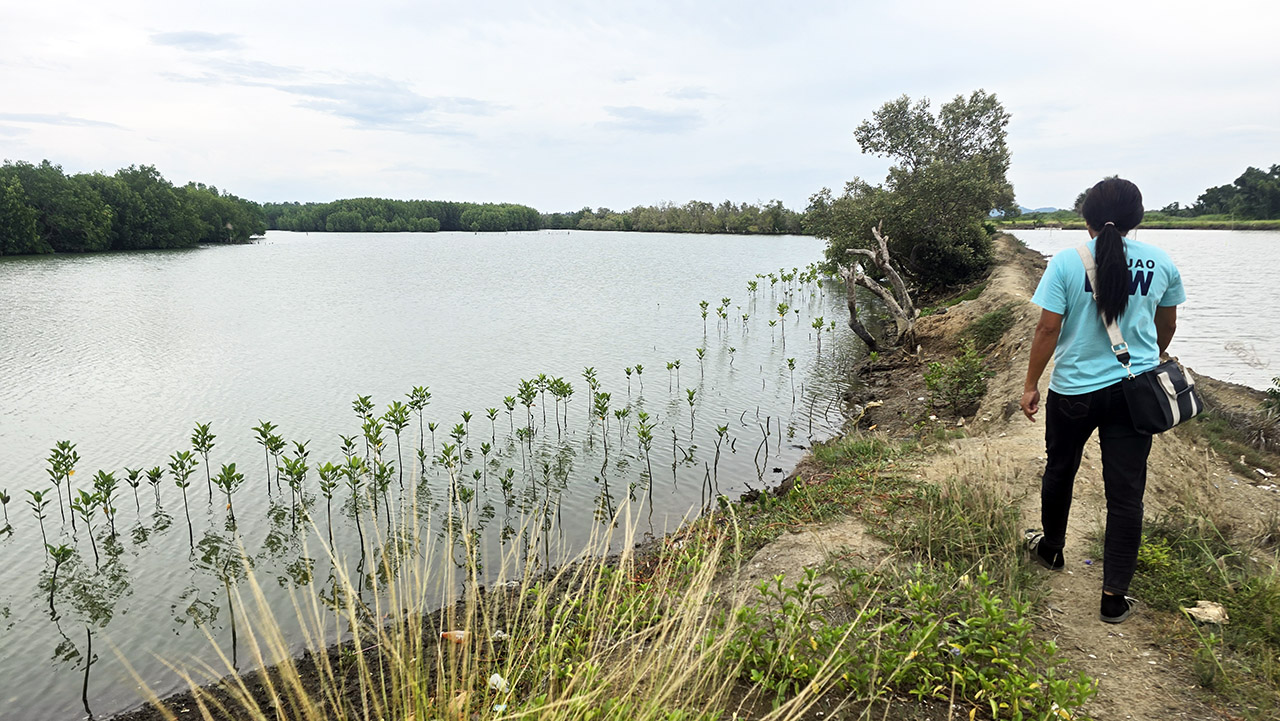
The Foundation’s first major initiative is the Resilience & Inclusive Support for Empowerment of Capiz Coastal Communities Project, or RISE Capiz Coast.
Initially focused on Barangay Culajao in Roxas City, the project will expand to other parts of the city and the neighboring municipalities of Ivisan and Panay. It aims to restore 100 hectares of degraded coastal areas through mangrove rehabilitation, with a target of reaching 500 hectares by 2030.
Beyond ecosystem restoration, RISE Capiz Coast will support livelihoods and provide communities with capacity-building in disaster risk reduction and climate change adaptation, along with other interventions shaped around the needs of people who depend on the coast.
The Katunggan sa Culajao Salbaron Association, Inc. (KACUSA), which leads local stewardship efforts in Barangay Culajao, will be closely involved in the initiative.
“We were greatly affected by Typhoon Yolanda, disrupting our eco-tourism activities and our income sources. We are grateful and hopeful that this partnership will not only restore our mangrove forests, but also help revive tourism, strengthen our economic situation, and create new opportunities for our families,” said Christopher Dasal, KACUSA President.
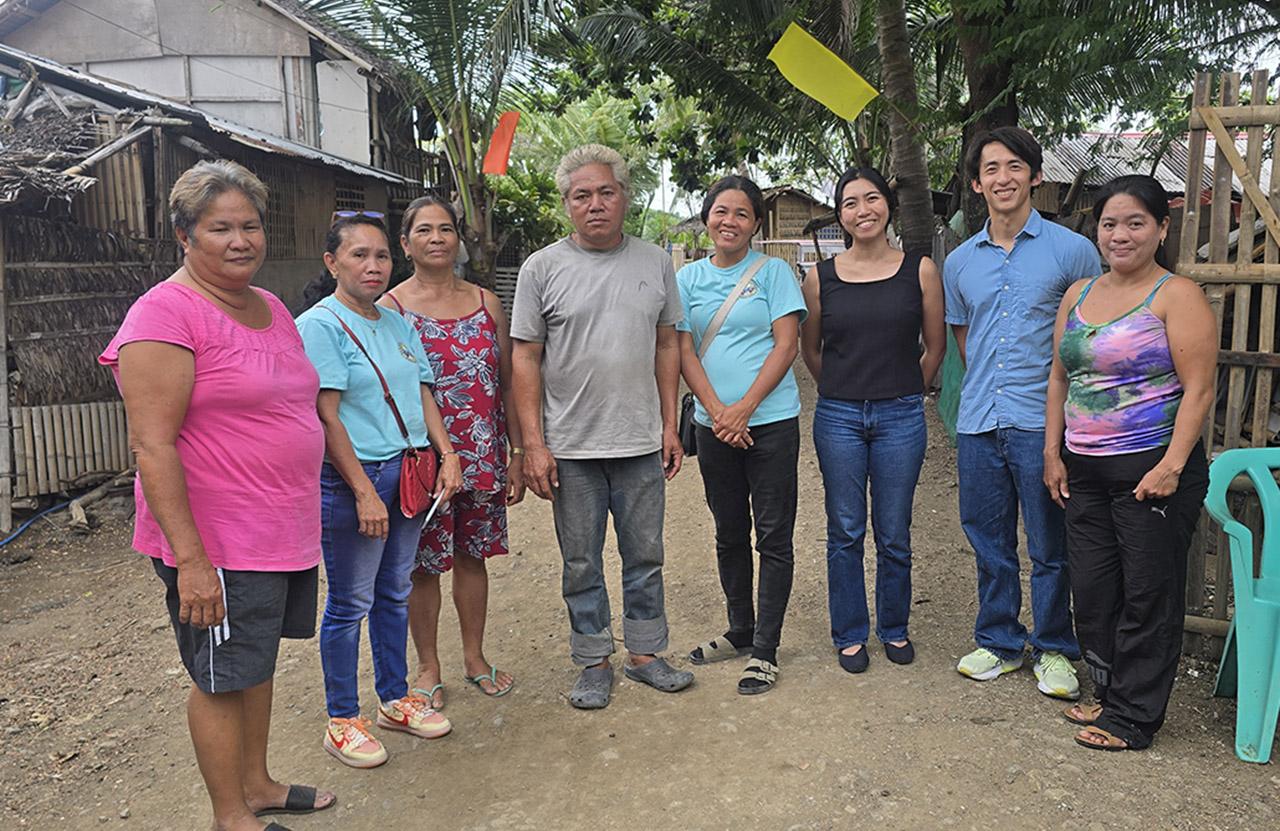
The project shows how CPFI’s two principal areas of work—Community Resilience and Sustainable Tourism—can reinforce each other. Restoring mangroves can help coastal communities prepare for climate-related disruptions while protecting the natural resources that support livelihoods, biodiversity, and tourism.
RISE Capiz Coast will be implemented with Futures, Inc., a Japan-based climate finance-linked project developer, and the Zoological Society of London, an international conservation organization. Community participation and stewardship will guide the work, supported by local governments, civil society organizations, conservation specialists, and development partners.
For more information about the foundation and its work, visit cebupacificfoundation.org.